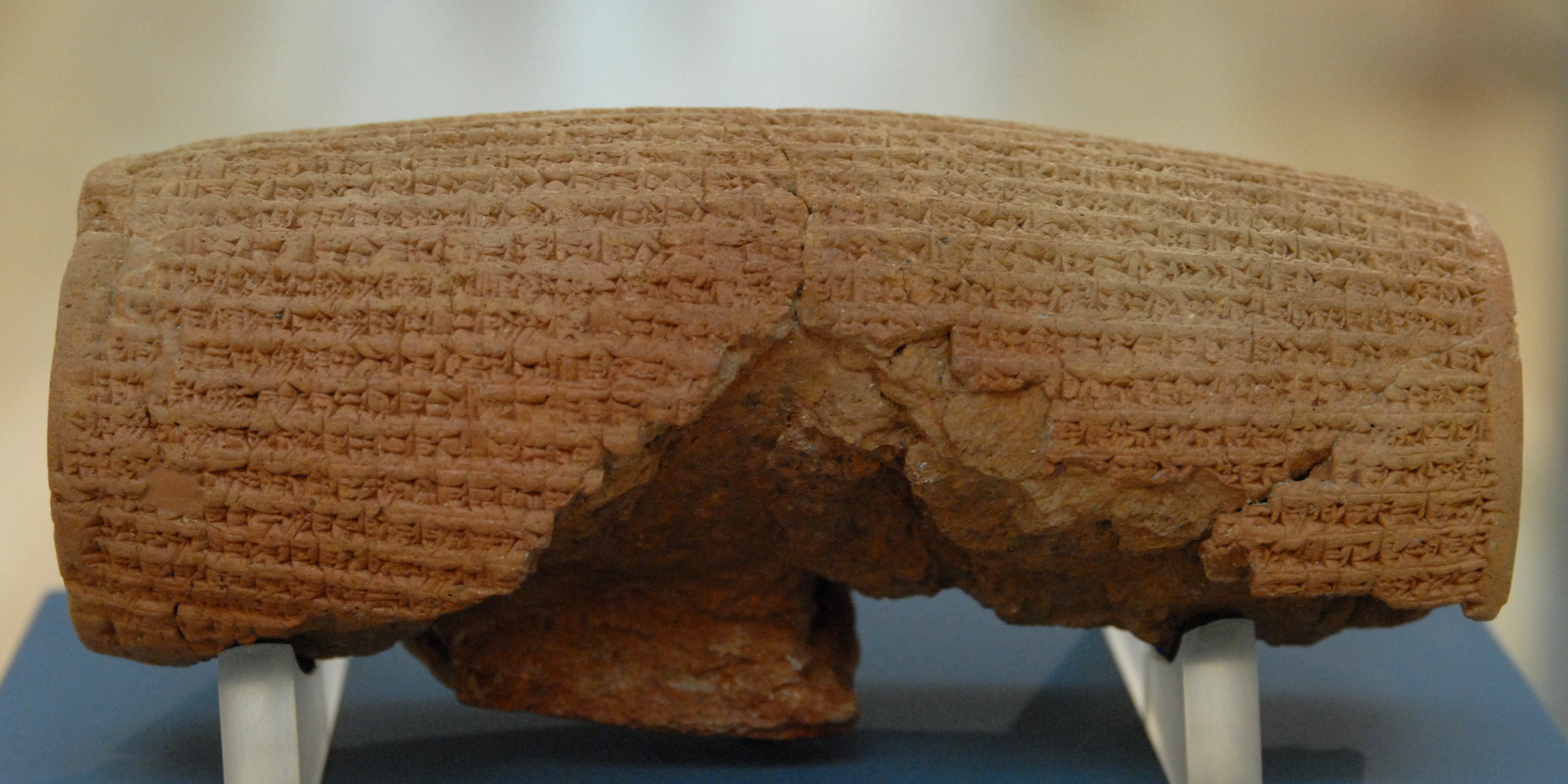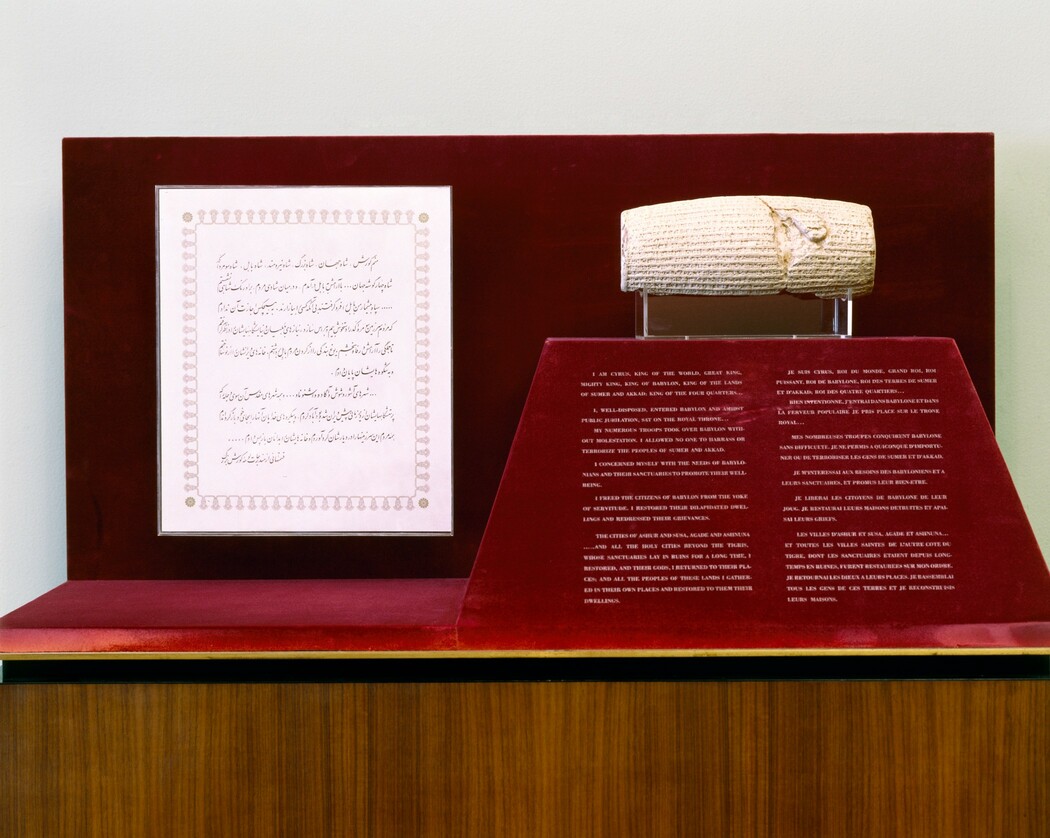
A 2,500-year-old cylinder of baked clay sits in the United Nations building in New York — placed there as a symbol of the world's oldest recorded declaration of human rights. This is the story of the man who made it, and why it still matters.
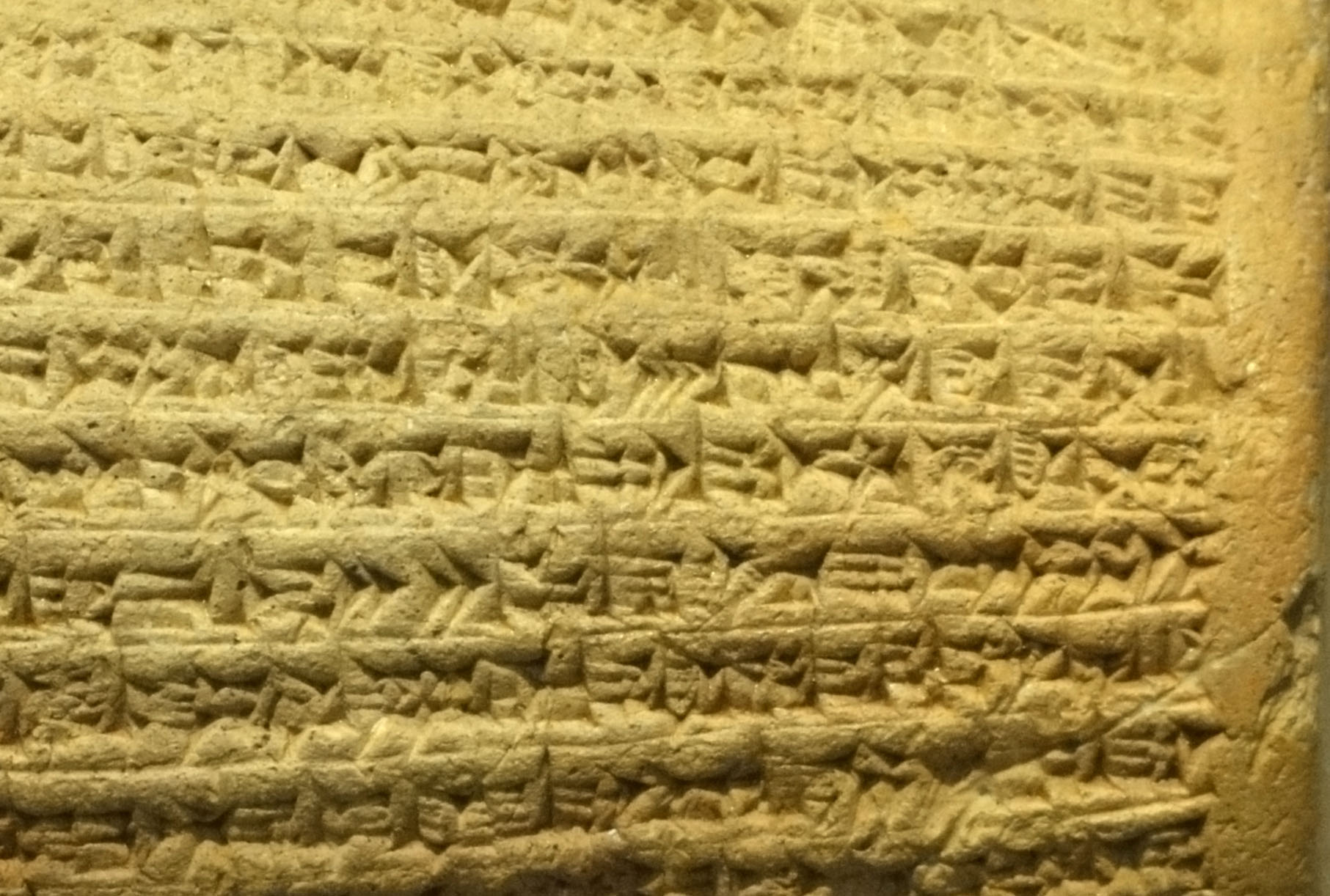
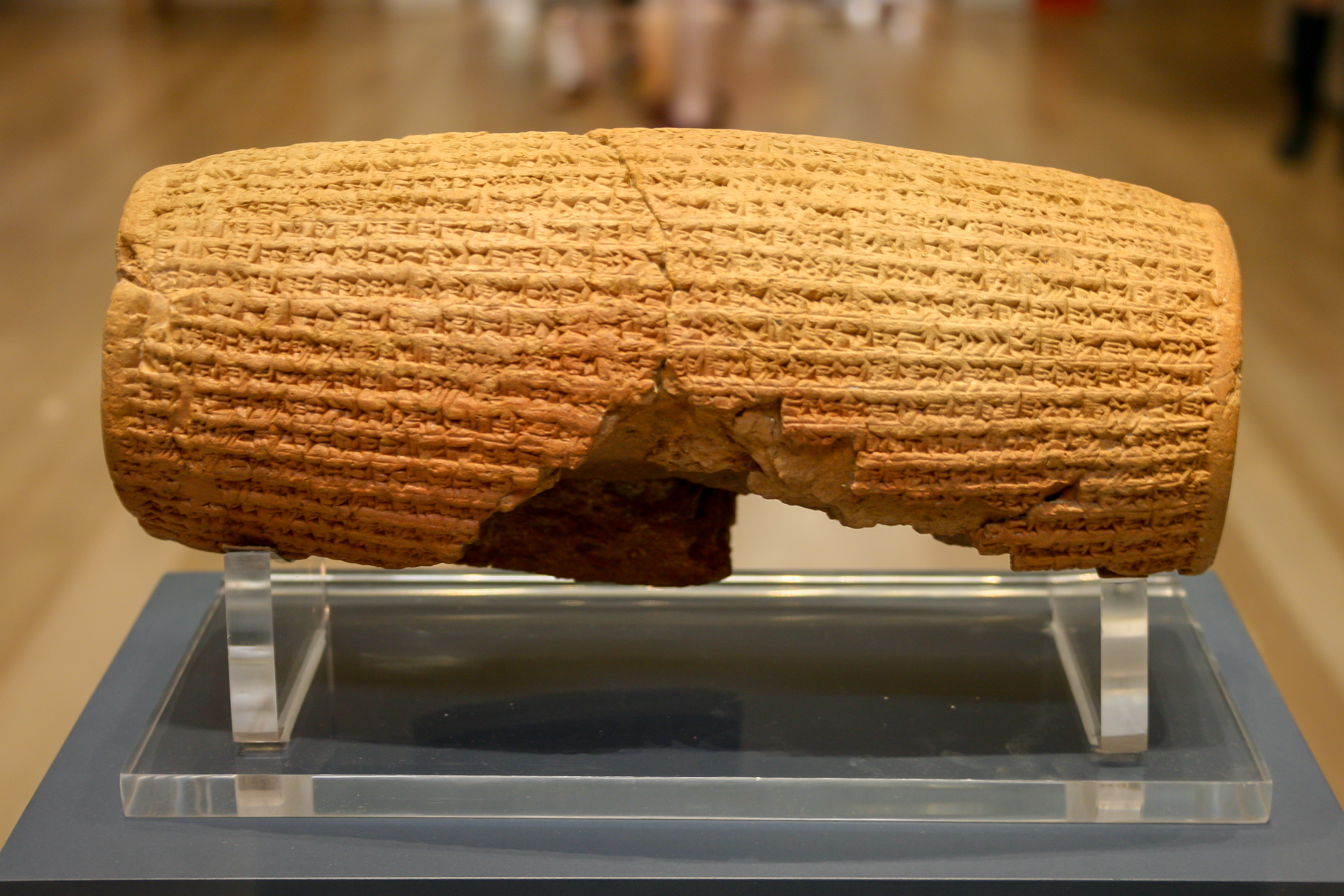
It is a small thing. No larger than a man's forearm, tapered at both ends like a rolling pin, shaped from ordinary river clay. Pressed into its surface in neat, dense rows are 45 lines of cuneiform — the wedge-shaped script of ancient Babylon — and when scholars finally deciphered those lines in the nineteenth century, they were astonished by what they found.
The cylinder records the conquest of Babylon by Cyrus the Great in 539 BCE. But unlike most royal inscriptions of the ancient world — which celebrated slaughter, the burning of cities, and the subjugation of peoples — this one announced something different. Cyrus would allow the peoples he had conquered to return home. Their gods would be restored to their temples. No one would be enslaved.
"I freed all the slaves and brought relief to their dilapidated housing. I put an end to their misfortune."
Cyrus Cylinder, lines 30–32 · Trans. Irving Finkel, British MuseumScholars debate the precise interpretation. Was this a document of genuine humanitarian principle, or a piece of political propaganda aimed at a Babylonian audience accustomed to such promises from their kings? Perhaps both — and yet even as propaganda, its language of tolerance and return was remarkable, and its influence, real or imagined, would echo across millennia.
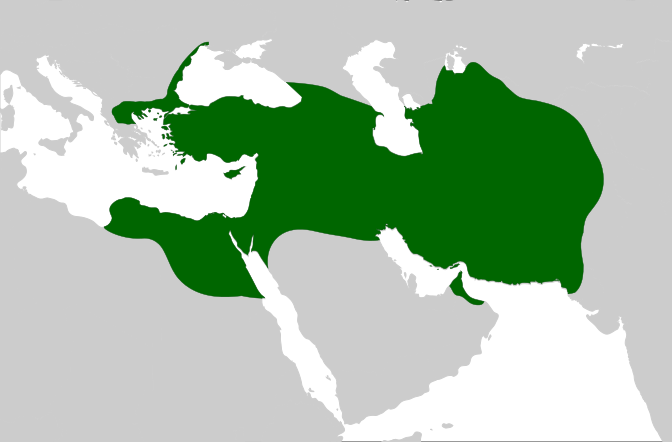
At the death of Cyrus in 530 BCE, the Achaemenid Persian Empire stretched from the Aegean coast of Anatolia in the west to the frontiers of modern-day Pakistan in the east — the largest empire the world had yet seen. Its successor kings, Darius and Xerxes, would enlarge it further, but it was Cyrus who built the foundations.
Cyrus divided his vast empire into provinces called satrapies, each governed by a satrap — typically a Persian nobleman — who collected taxes, raised troops, and administered justice. This allowed central control while permitting significant local autonomy. The system would endure, largely unchanged, for two centuries.
A network of roads connected the empire's capital cities — Persepolis, Susa, Ecbatana, and Sardis — allowing royal messengers to travel 2,700 kilometres in as few as seven days. Herodotus marvelled at the system: "Neither snow, nor rain, nor heat, nor darkness of night prevents these couriers from completing their designated stages."
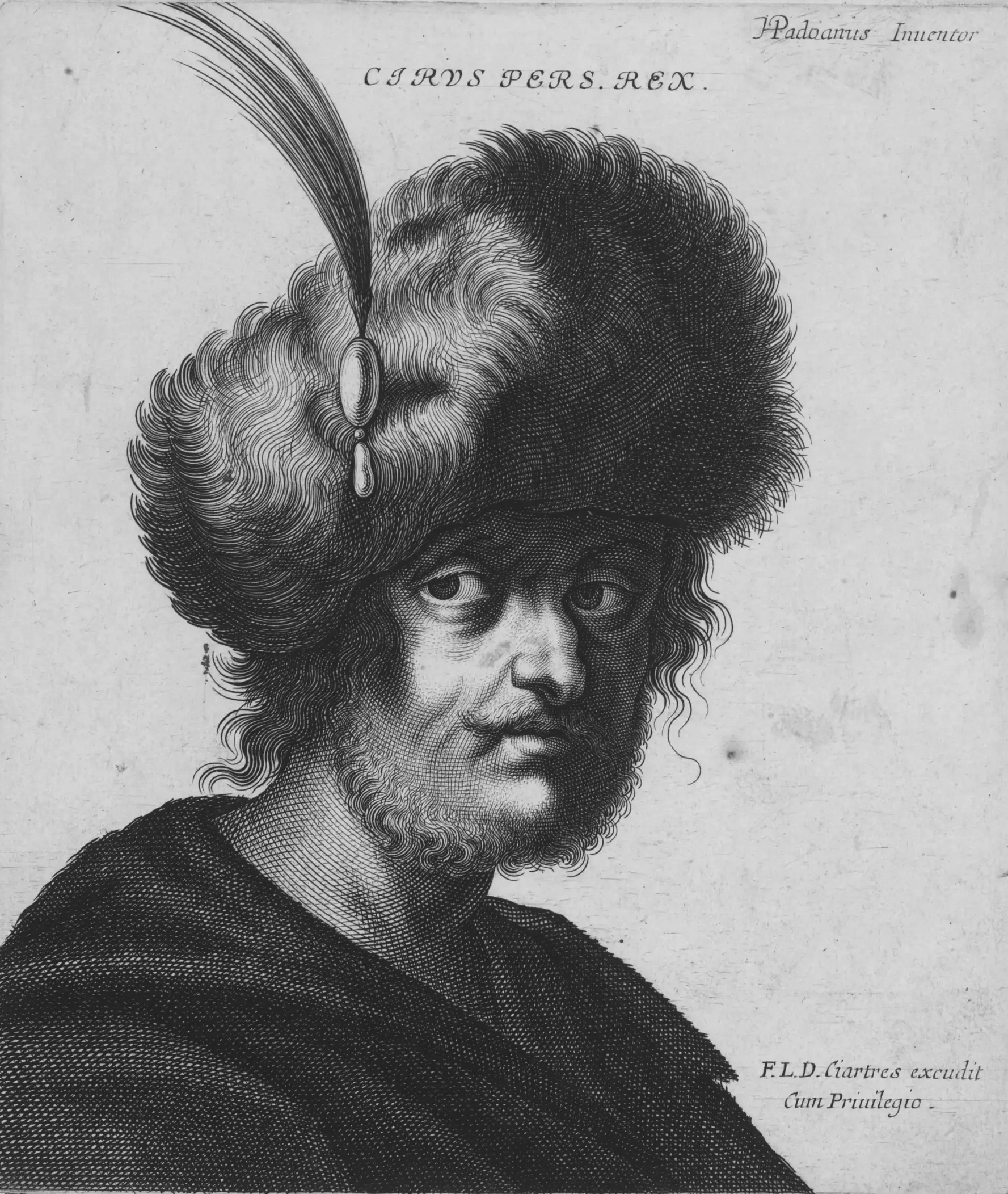
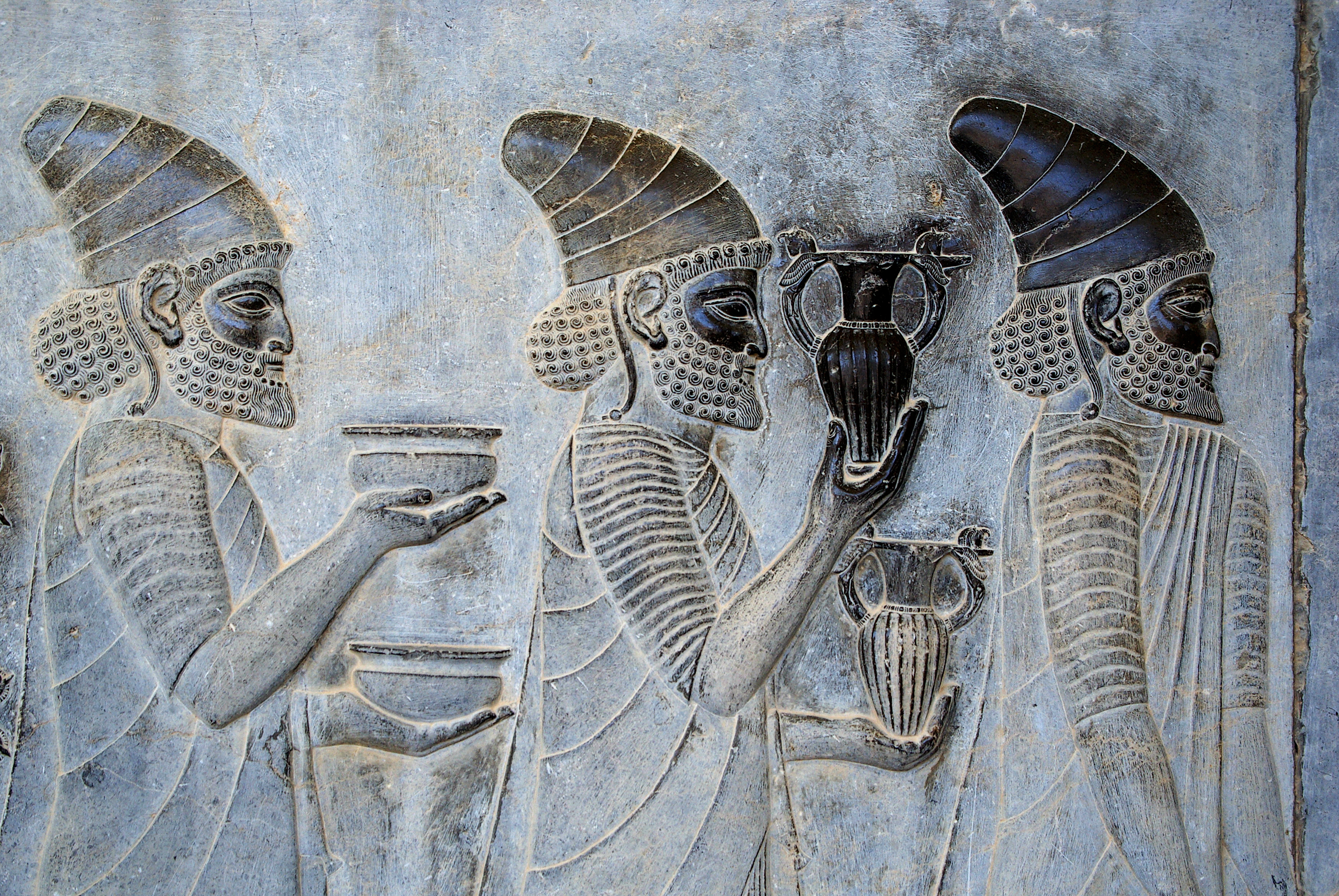
Unlike the Assyrians before him, who deported conquered peoples and demolished their temples, Cyrus permitted subject nations to retain their own religions, languages, and customs. He returned the Babylonian statues of Marduk to their shrines. He allowed the Jewish exiles in Babylon to return to Jerusalem and rebuild the Temple. The Hebrew Bible calls him "the Lord's anointed."
For more than two thousand years, the cylinder lay buried in the ruins of Babylon, in what is now southern Iraq. It was discovered in 1879 by Hormuzd Rassam, an Assyrian Christian archaeologist working for the British Museum. Rassam was excavating the Esagila, the great temple of Marduk in the heart of ancient Babylon, when his workers uncovered the cylinder in two pieces. He sent it immediately to London.
The cylinder was studied, translated, and eventually placed on permanent display at the British Museum, where it remains today — object ANE 90920 in the Ancient Near East collection. In 1971, the Shah of Iran, Mohammad Reza Pahlavi, commissioned a replica and presented it to the United Nations as a diplomatic gift. The UN placed it in the second-floor corridor of the Secretariat building in New York, where it stands as a symbol of multicultural respect.
In 2010, the British Museum loaned the original cylinder to Iran for a four-month exhibition — the first time an object of such significance had travelled between the two countries. Tens of thousands of Iranians queued to see it. Many wept.
The question of what the Cyrus Cylinder actually represents — a genuine charter of human rights, or a piece of Achaemenid propaganda dressed in the language of mercy — has occupied historians for decades. The modern human rights interpretation gained momentum in the 1970s, when the Shah of Iran promoted the cylinder as proof of Persia's ancient liberal tradition. Critics note that Cyrus was, above all, a conqueror, and that tolerance was also a pragmatic strategy for managing an enormous, diverse empire.
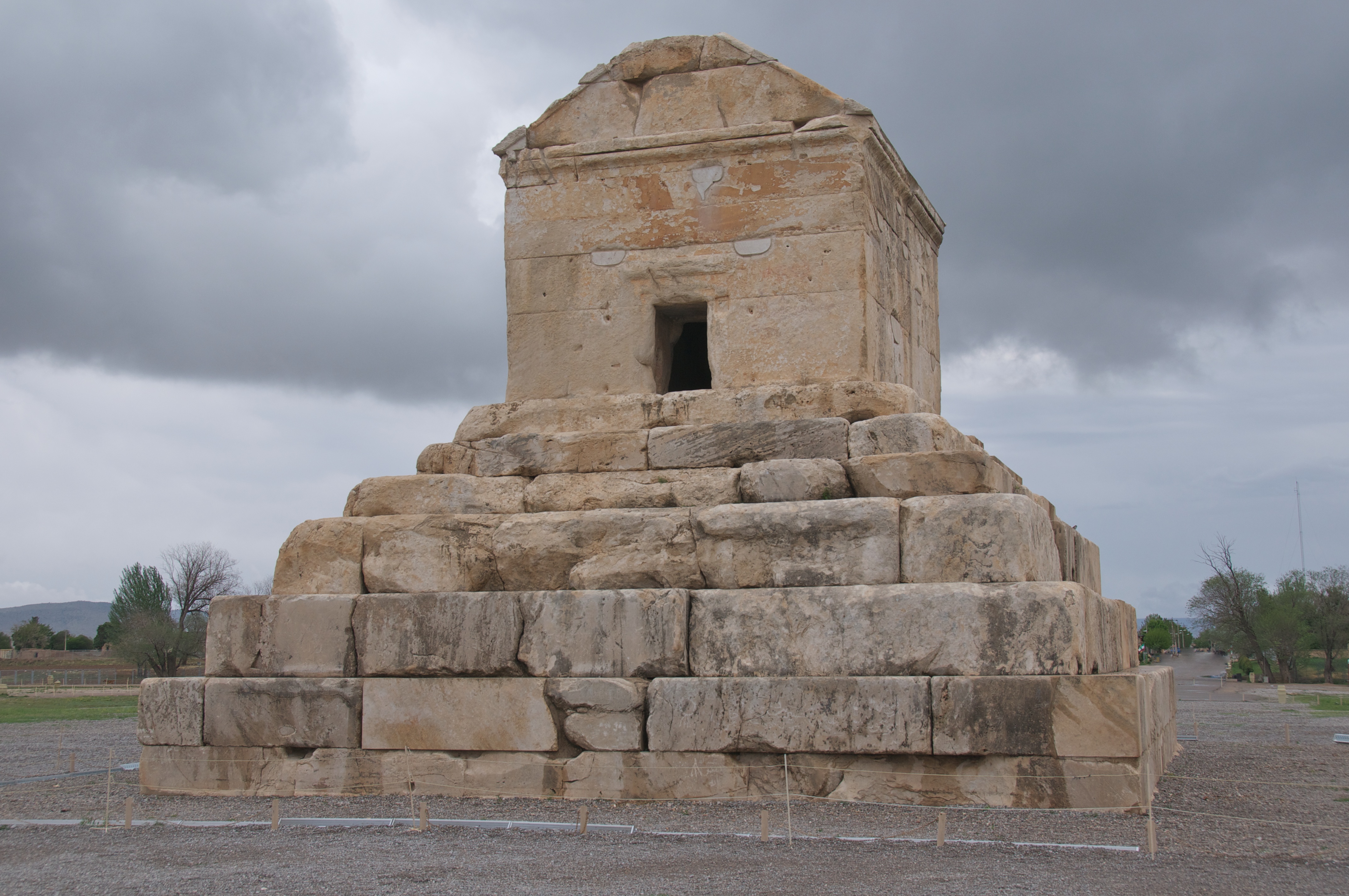
But perhaps the distinction matters less than the endurance. Whether or not Cyrus truly believed in the principles inscribed on his cylinder, those principles were written down, preserved, and eventually read. The Jewish exiles did return to Jerusalem. The Babylonian temples were restored. And two and a half millennia later, a replica of the cylinder stands in the United Nations building, placed there by people who needed to believe that tolerance and the recognition of shared humanity were not modern inventions — that somewhere in the deep past, a king had already understood.
"The great gods have delivered all the lands into my hand."
Cyrus Cylinder, opening lines · c. 539 BCEHis successors would build Persepolis, the greatest ceremonial city of the ancient world. They would fight the Greeks at Marathon and Thermopylae. They would be conquered by Alexander. But the empire's DNA — its administrative genius, its relative tolerance, its ambition to hold different peoples together under a single rule — was Cyrus's. He was called, by those who came after him, the Father of the Nation.